


Trump puts a 25% tax on all imports of steel and aluminum.
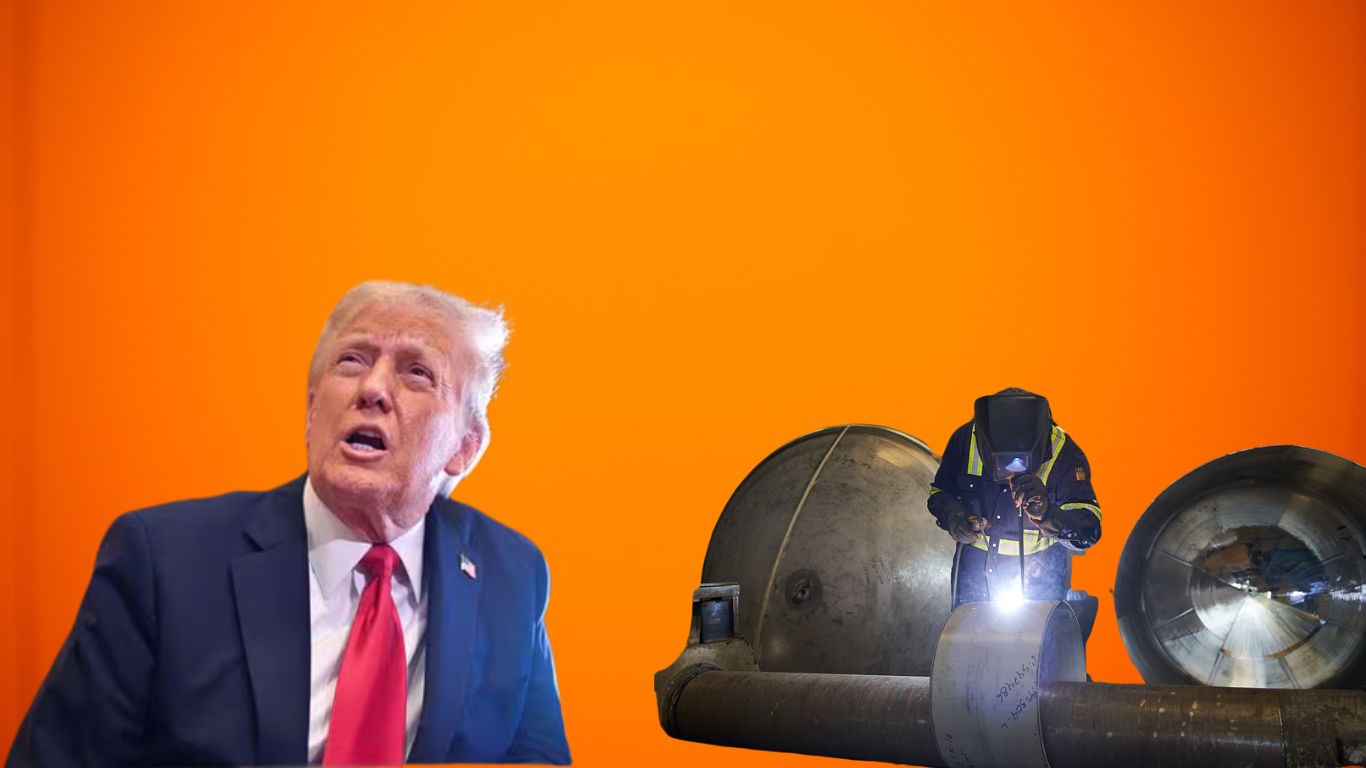
This comes a week after Trump said he would stop putting taxes on Canada and Mexico.
On Monday, President Donald Trump put 25% taxes on all steel and aluminum that come into the United States.
Trump signed proclamations imposing 25% steel import tax and 25% aluminum tariffs in 2018, aiming to boost America’s wealth.
It’s only been a week since Trump said he would stop putting taxes on goods from Canada and Mexico. These tariffs are similar to the ones Trump put in place for steel and aluminum during his first term. However, those were put in place for clear national security reasons.
This time, Trump has given a less clear reason for the tariffs: he said they would create jobs and reduce the U.S. trade imbalance. This past weekend, the president said that he would punish countries that are “taking advantage of” U.S. companies.
Trump’s trade assistant, Peter Navarro, told reporters on a call Monday, “Steel and aluminum tariffs 2.0 will put an end to foreign dumping, boost domestic production, and protect our steel and aluminum industries as the backbone and pillar industries of America’s economic national security.” “It’s about making sure that the United States never has to depend on other countries for important industries like aluminum and steel.”
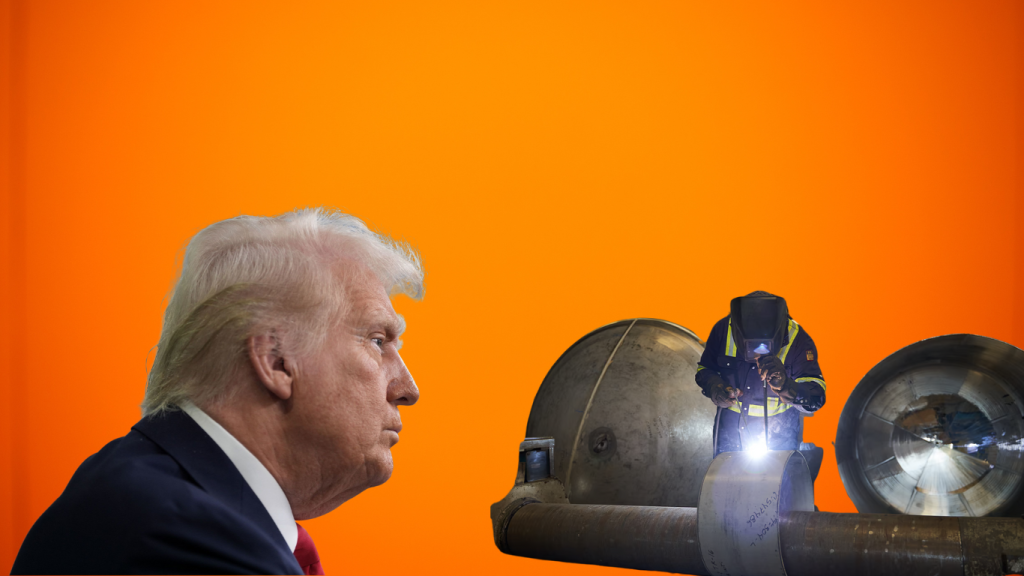
A lot of experts think that the taxes are just a way to get other countries to give in.
A report from the Congressional Research Service in 2022 says that most of the steel that U.S. businesses use is already made in the U.S. However, a much bigger share of the aluminum that U.S. businesses use comes from other countries.
American companies, including the United Steelworkers Union, oppose taxes and argue that excessive use could hinder their industries and hinder their ability to compete in the global market.
The United States gets most of its steel from Canada. Brazil, Mexico, South Korea, and Vietnam come in next.
When it comes to taxes, Trump has brought up the idea of “tit-for-tat” tariffs. Analysts at the consulting firm Capital Economics say that if the fear of an all-encompassing tariff is taken away, Trump would be more “measured” in his approach to trade talks.
Clients predict tariffs will increase inflation this year, causing the Fed to remain on hold due to Trump’s tendency to act first and negotiate later.