


How Trump’s China Tariffs Could Increase Prices, from Lip Balm to Sneakers
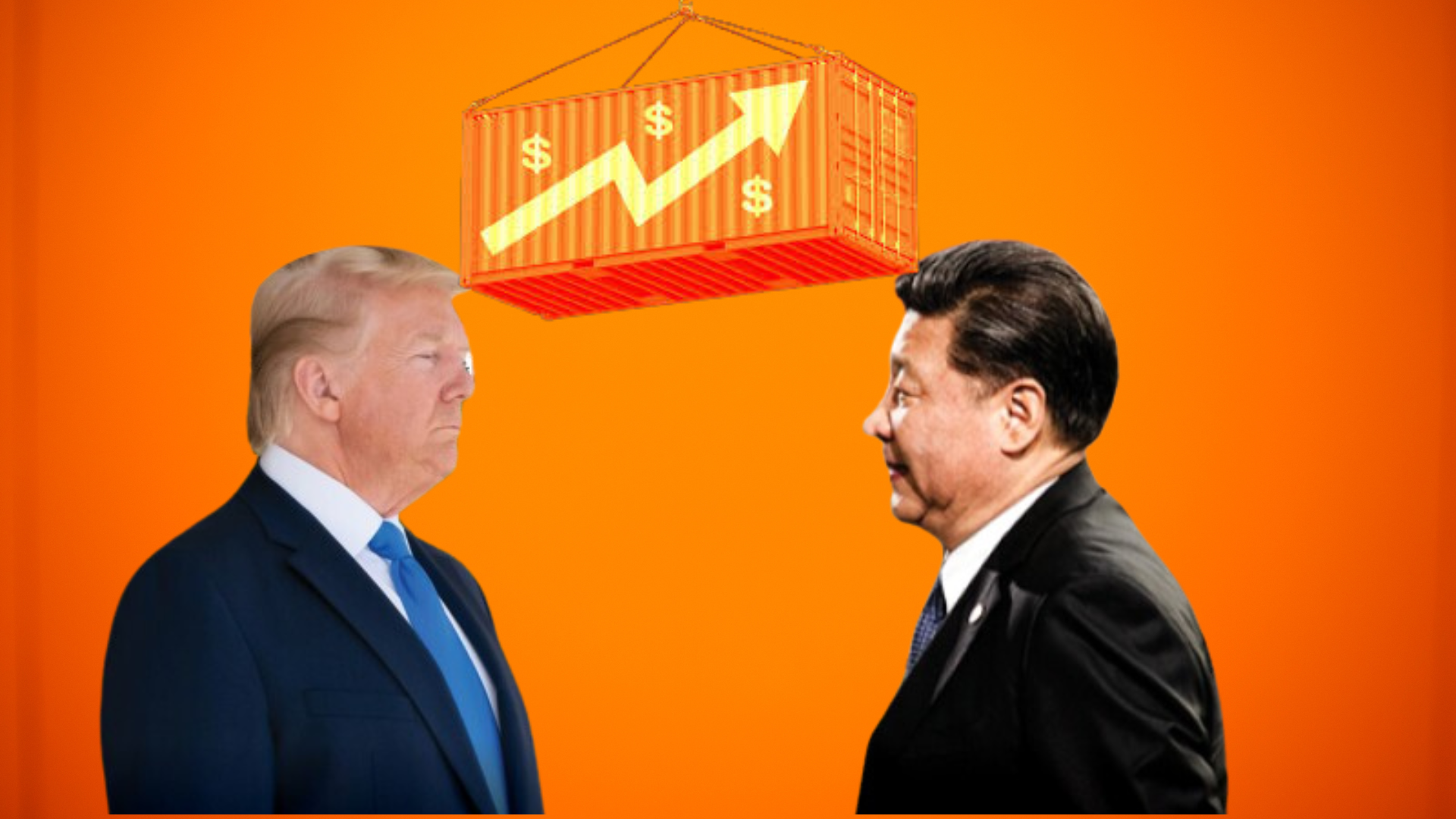
Although the 10% tariff is lower than the previous threats made by Trump, investors and industry analysts anticipate a ripple effect across sectors that depend on Chinese manufacturing.
A federal judge has ruled that the ongoing legal dispute between billionaires Elon Musk and Sam Altman over OpenAI is unlikely to stop the company’s current restructuring plan. Musk, the CEO of SpaceX and Tesla, and a close ally of President Donald Trump, wants to prevent OpenAI from turning into a for-profit business. OpenAI, which started as a nonprofit research lab, has announced a change in structure this year to form a public benefit corporation to raise more money to compete with major companies investing in AI development. However, other technologists have voiced their disapproval of OpenAI’s transition to a for-profit company.
When the matter goes to trial, Musk can make his case to a jury, and the jury will decide who is correct. The US began collecting a 10% tariff on all Chinese imports, reigniting a trade war between the two countries that is at risk of accelerating. The 10% tariff is smaller than the 60% tariff Trump had threatened during his campaign, but investors and industry analysts expect the added cost to have a ripple effect across certain industries that rely heavily on Chinese manufacturing.
Footwear manufacturers are likely to see an increase in shoe prices, though some of the cost will be absorbed by retailers and other businesses throughout the supply chain. The Footwear Distributors and Retailers of America is working with the administration to tamp down inflation, but this is not the way to go about doing that.
Tariffs on goods imported from China are being paid by US companies when they arrive at US ports. Companies will have to decide whether to pass the higher costs on to consumers by raising prices or absorb the cost by taking lower profits or trying to cut costs elsewhere. China’s retaliatory tariffs on around $24 billion worth of U.S. products could also impact U.S. workers if companies see significant declines in sales from Chinese customers.
China also said it was launching an antitrust investigation into Google and took aim at two other U.S. companies: gene sequencing maker Illumina Inc. and PVH Group, the owner of the Calvin Klein and Tommy Hilfiger brands, placing them on a blacklist limiting their ability to sell their products there. However, China’s moves were more limited in scope than some companies had feared: they apply to around 14% of U.S. exports to China, while Trump’s tariffs apply to all goods sold in the United States from China.
Economists and businesses have warned that tariffs would have little effect on driving manufacturing back to the United States because of the costs, logistics, regulatory barriers, and lack of labor many industries would face in moving production stateside. A study of Trump’s tariffs during his first term found they reduced overall manufacturing employment by driving up costs for companies importing parts and materials from China.
Apple is among the technology companies most at risk from the tariffs, with the vast majority of iPhones made in China. Analysts expect Apple to have to raise prices to compensate for the higher costs.
Sản phẩm casino trực tuyến tại 888slot com apk nhà cái được xem là sân chơi đẳng cấp, vị trí hàng đầu tại châu Á. Anh em dễ dàng tìm kiếm đa dạng thể loại bài, từ truyền thống cho tới tựa game hiện đại, từ sản phẩm hiếm gặp cho tới phổ biến.
slot365 login Bạn có thể xem live với hơn 200+ trận đấu siêu hấp dẫn như: Cyber Alliance Cup, Open Fire All Stars, Demacia Cup, LCK,… Chúng tôi cho phép người chơi so sánh tỷ lệ cược trước khi vào tiền đồng thời, xem nhanh kèo từ 3-4 ngày để vào ăn được bộn tiền khi chiến thắng.