


Why it’s not the best alarm clock to use your phone
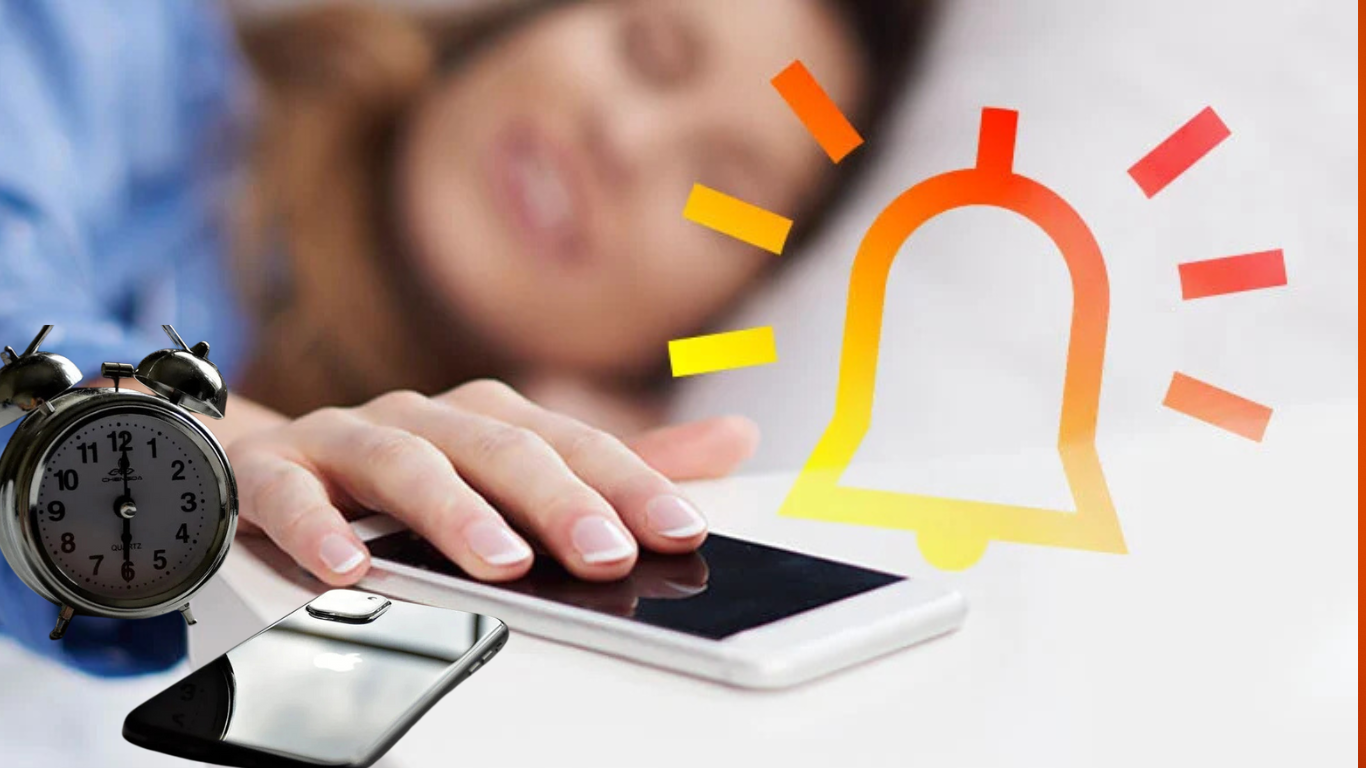
Numerous items, including computers, calculators, cameras, and maps, have been supplanted by phones.
However, switching back to a traditional alarm clock rather than your phone could make it easier for you to get out of bed in the morning.
Dr. Shalini Paruthi, an adjunct professor at St. Louis University School of Medicine and attending physician for sleep medicine at John J. Cochran Veterans Hospital in St. Louis, stated that keeping the phone in a different room would probably lower the chance of sleep procrastination and distraction from sleep.
It might be easier to browse at night and take a nap in the morning if you have a phone by your bed.
If you want to create new patterns in the new year, like rising earlier or getting better sleep, replacing your phone with an alarm clock could be a straightforward but helpful change.
Quit sleeping in the morning.
Paruthi suggests that ideally, one should not need to press the snooze button in the morning. She believes that a person should be well-rested by the time the alarm rings, and using the snooze button once can benefit mental health by allowing gradual wake-up.Dr. Brandon Peters-Mathews, a neurologist and sleep medicine specialist from Virginia Mason Franciscan Health, advises against using snooze frequently due to its insufficient sleep production. He states that people typically transition into and out of REM sleep cycle near the end of a night’s sleep.Sleep fragmentation may impact brain function, as this stage is critical for memory processing and creative sleep.
The National Sleep Foundation’s senior vice president of research and scientific affairs suggests that instead of setting an alarm and hitting the snooze button, it’s better to sleep soundly and undisturbed until you’re forced to wake up. Dr. Joseph Dzierzewski, said that “the likelihood that an extra 5 to 10 minutes of sleep could make a meaningful impact is pretty low when you didn’t get enough sleep or didn’t get good quality sleep.” Starting the day early and taking deliberate steps to set up for success in the coming night is crucial. Dedicated alarm clocks can wake you up in various ways, such as vibration, lights, noises, and puzzles. It’s convenient to press the snooze button while your phone alarm is on your bedside table.
Your sleep is disturbed by your phone.
Paruthi suggests that using your phone as an alarm can lead to better sleep by allowing it to be removed from your bedroom. The ideal bedtime routine involves calming down, relaxing, and helping the brain transition from a “go-go-go” state to a more relaxed, sleep-ready state. However, the strong light and content of your phone can make you more awake, and screens can delay achieving your desired sleep.
Furthermore, according to Dzierzewski, having your phone nearby increases the likelihood that you will use it.
The presence of a phone nearby may heighten emotions of interest. He asked, “What could be going on that you aren’t seeing?” “You may be tempted to roll over and check your phone because of these feelings, which could interfere with falling asleep, staying asleep, or having a good night’s sleep.”
A study suggests that aiming for eight hours of sleep but then scrolling on your phone for two hours may not provide the recommended amount of sleep. The study suggests that people may be less likely to sleep during the two hours between 10 and midnight if their phone is in another room.
How to get up earlier and feel better
The only way to wake up earlier or more easily is to get good quality sleep, Dzierzewski said.
Most adults should get seven to nine hours of sleep a night, according to the National Sleep Foundation. But population research from the foundation has shown that 60% of adults are not meeting that recommendation.
“Getting too little sleep or too much sleep can both be problematic and impact how well we function throughout the day,” Dzierzewski said.
For better sleep, the National Sleep Foundation recommends some more small steps. You should get bright light in the daytime; exercise for at least 30 minutes five days a week; eat meals at consistent times; avoid heavy meals, nicotine, caffeine and alcohol before bed; use a consistent wind-down routine; sleep in a quiet, cool and dark place; and put electronics away an hour before bed.
If you are getting enough sleep at night consistently but are still not sleeping well or waking up feeling rested, it may be time to get evaluated by a board-certified sleep physician for possible sleep disorders such as sleep apnea, restless legs syndrome or insomnia, Paruthi said.
Ready to do more? Sign up for our LBB Sleep newsletter to get better sleep in 2025. If you need help setting and sustaining your sleep goals, try these tips for building habits.


Your point of view caught my eye and was very interesting. Thanks. I have a question for you. https://accounts.binance.com/ES_la/register-person?ref=VDVEQ78S